


Choosing a Quilting Machine: Multi-Needle or Single-Needle?
The differences between multi-needle and single-needle quilting machines, the effect of chain stitch and lockstitch, and the criteria for choosing.
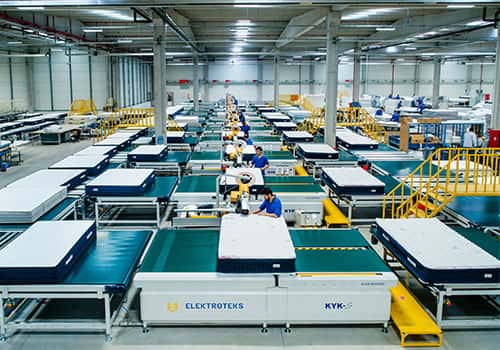
Quilting creates the visible face of the mattress. This operation, in which fabric, fibre and foam are stitched together, determines both how the mattress feels and the pattern a customer first sees in the showroom. The right quilting machine is chosen according to production volume and pattern requirements.
Two basic machine types
Multi-needle quilting machines
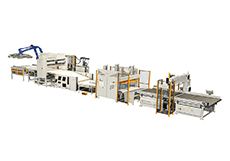
Many needles arranged side by side work at the same time and the material flows continuously from roll to roll. Output is high; these machines are preferred for repeating geometric patterns and high-volume production. Because the pattern depends on the needle arrangement and the movement of the material, pattern freedom is more limited than on single-needle machines.
Single-needle (computerised) quilting machines
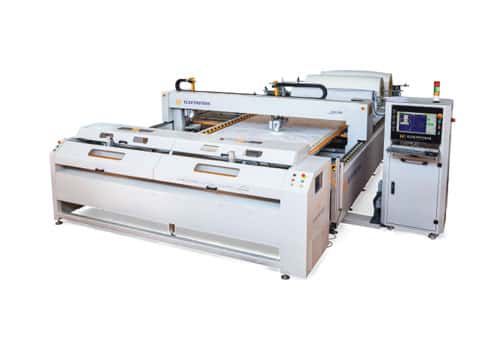
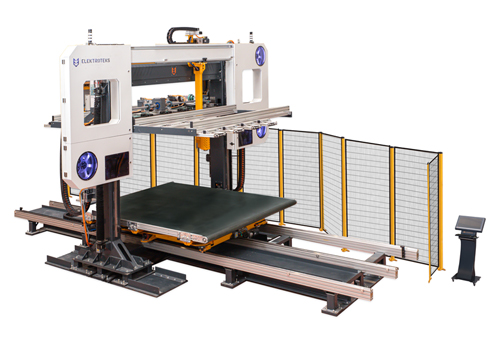
A single sewing head moves under computer control over a panel held under tension. Complex, continuous and panel-specific patterns can be sewn. Speed is lower than multi-needle; these machines stand out for premium models and production with frequent pattern changes.
Chain stitch and lockstitch
The stitch type is at least as important a part of the choice as the number of needles.
| Criterion | Chain stitch | Lockstitch |
|---|---|---|
| Thread supply | The lower thread comes from a large cone, not a bobbin; few stops. | The lower thread comes from a bobbin; bobbin changes require stops. |
| Seam security | The seam tends to unravel if the thread breaks. | The stitch locks itself and resists unravelling. |
| Appearance | Top and bottom look different. | Both sides look the same. |
| Typical use | High-volume, continuous production. | Products where stitch quality is the priority. |
Criteria for choosing
- Daily panel demand: Calculate the capacity needed to feed the rest of the line.
- Pattern variety: The number of patterns in the range and how often they change directly affect the machine type.
- Material thickness: For thick foam and dense fibre layers, ask whether the sewing head and presser arrangement are adequate.
- Pattern changeover time: The time lost moving from one pattern to another determines efficiency in small batches.
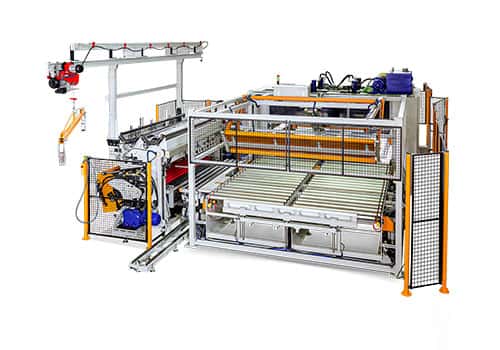
- Cutting downstream: A quilting machine that works in step with the panel cutter reduces manual work.
- Maintenance and spare parts: Access to wear parts such as needles, hooks and guides determines uptime.
Border quilting is a separate job
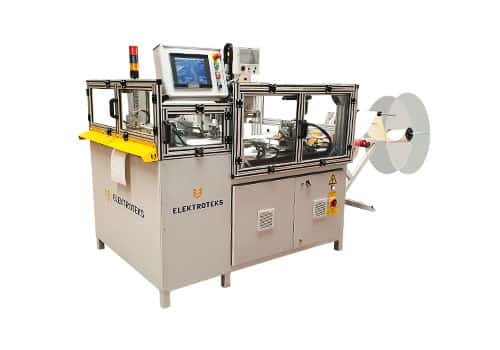
Because the border on the side of the mattress is narrow, it is usually quilted on separate machines. Matching panel and border patterns gives the mattress a consistent look.
Conclusion
How pattern and material interact
The same pattern looks different at different material thicknesses. On panels with thick foam and dense fibre the stitch sinks deeper and the pattern takes on a more pronounced, "embossed" look; on thin panels the pattern stays flatter. Densely stitched patterns stiffen the panel and change how the surface of the mattress feels. Pattern choice is therefore not only a visual decision; it should be considered together with the comfort design of the product.
How does the fabric type affect the machine?
- Knitted fabrics: Because they stretch, feed tension has to be set carefully; otherwise the pattern is distorted.
- Woven (jacquard) fabrics: More stable and suited to high-speed running.
- Thick combinations: With multi-layer feeding, the adequacy of the unwinders and tension control becomes important.
What determines operating cost
The purchase price is only one part of the cost over the life of the machine. Thread consumption, wear parts such as needles and hooks, time lost in pattern changes, panel length set aside as waste and unplanned stoppages determine the total. When comparing, asking the supplier for expected values for these items and for maintenance intervals gives a sounder result than looking at speed figures alone.
Frequently asked questions
Can one machine quilt both panels and borders?
Although technically possible, the border is narrow and is usually produced on a separate machine, so the panel machine keeps running without interruption.
How are patterns transferred to the machine?
On computerised machines patterns are prepared in drawing software and loaded onto the machine; the pattern library grows over time.
How can thread breaks be reduced?
The right needle and thread match, regular needle changes and correct tension are the most effective measures; machines that detect a thread break and stop prevent faulty panels.
High volume and repeating patterns favour multi-needle machines; pattern freedom and premium products favour single-needle machines. Many manufacturers use both types together. You can review the options on the quilting machines page.
- quilting machine
- multi-needle quilting
- single-needle quilting
- chain stitch
- lockstitch
